
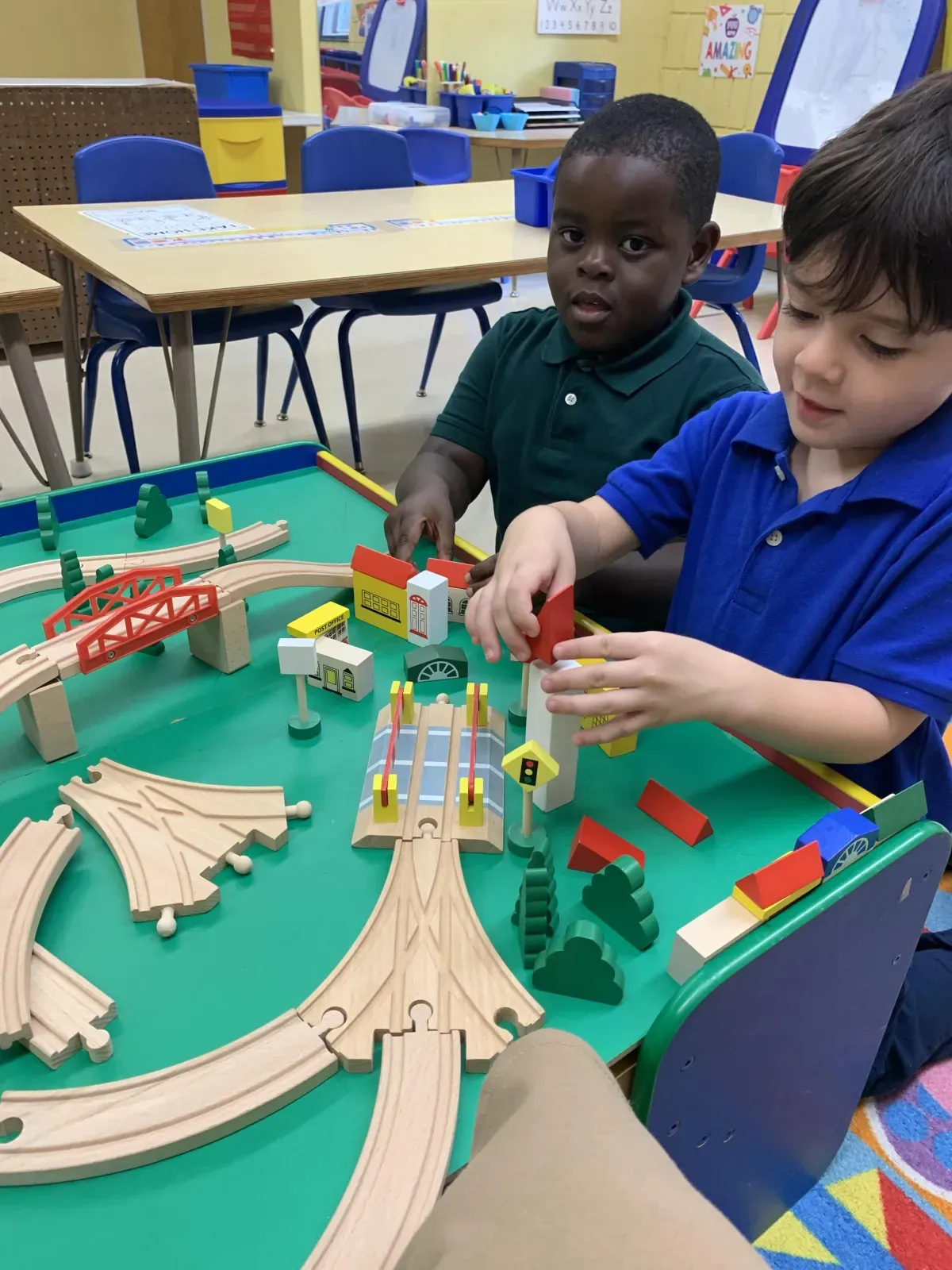
The weeks before preschool can bring a mix of excitement, questions, and a little worry. A preschool readiness checklist is useful when it helps you notice the small everyday skills that make a new classroom feel less new. It is not a test your child has to pass.
Children do not arrive as finished students. They arrive ready to be known, welcomed, and taught. A strong start comes from familiar routines, growing independence, warm relationships, and plenty of play. That is why a thoughtful school-readiness framework looks at physical, social, emotional, language, and learning development together, not just letters and numbers.
Start with the right goal: confidence, not perfection
It is easy to turn preparation into a long list of things your child “should” know. Try a different question instead: what would make the first week feel more manageable? For most young children, the answer is not flash cards. It is knowing where their backpack goes, hearing a familiar goodbye, having words for a need, and trusting that a caring adult will help.
Every child’s timeline is different. The Minnesota Help Me Grow milestone guide notes that three-year-olds grow in language, movement, social skills, and independence at different paces. Use this checklist to spot opportunities for practice, not to compare your child with a sibling, friend, or classmate.
Preschool readiness checklist
Use these five areas as a calm guide for the month before school begins. Choose one or two small skills to practice at a time. Repetition at home works better than a big “getting ready” push the night before.
1. Daily routines and separation
- Can your child practice a predictable morning rhythm: get dressed, eat, use the bathroom, and leave the house?
- Have you tried a brief, consistent goodbye with another trusted caregiver?
- Does your child know the basic plan: “You will play, have snack, and I will come back after school”?
- Have you practiced one or two calming tools, such as a hug, a favorite phrase, slow breaths, or holding a small comfort item if the school allows it?
Separation is often the biggest transition, and it deserves gentle practice. The CDC lists calming after a caregiver leaves and noticing other children to join play among milestones most children reach by age three. Its milestone checklist is a useful conversation starter, not a diagnostic tool. If a concern is weighing on you, bring it to your child’s health care provider rather than trying to solve it with a checklist alone.
2. Basic self-help skills
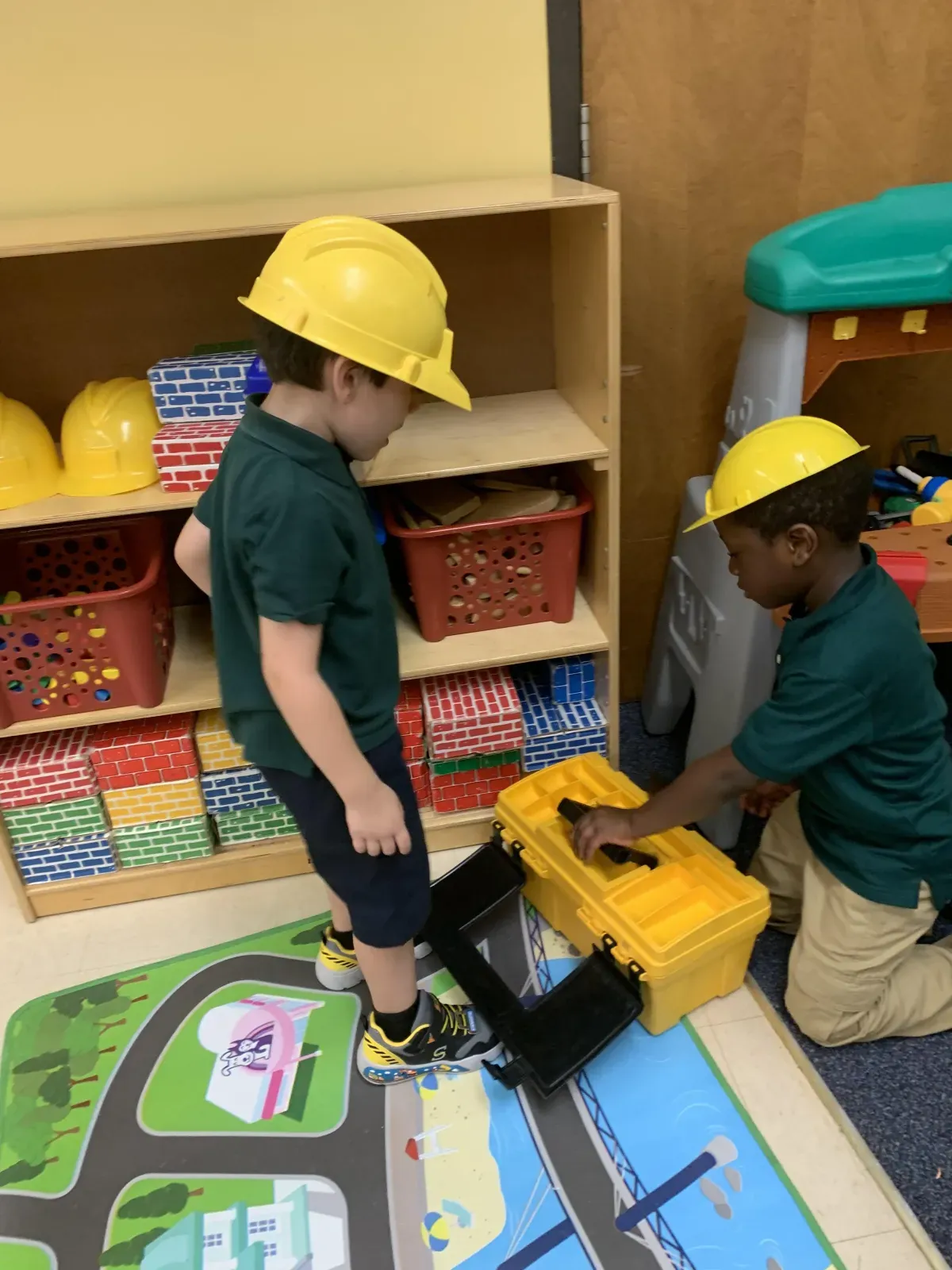
- Practice pulling pants up and down, washing hands, and using a tissue.
- Let your child try a simple zipper, coat, shoes, backpack, or lunch container before you step in.
- Practice opening a snack, drinking from the cup they will bring, and asking for help when something is tricky.
- Send an extra set of clearly labeled clothes for the first week.
Independence is not about doing everything alone. It is knowing how to try, then how to ask for help. Give your child time to finish small tasks at home, even when it would be faster to do them yourself. That extra minute helps a child walk into class with a real sense of “I can try.” Families considering Seeds can see the age-by-age expectations on our preschool and kindergarten programs page.
3. Communication and listening
- Practice saying a first name and the names of important grown-ups.
- Encourage simple requests: “Can I have help?” “I need the bathroom,” or “May I have a turn?”
- Play short listening games, such as “Simon Says,” “I Spy,” or following a two-step direction.
- Read picture books together and ask open questions: “What do you notice?” “What might happen next?”
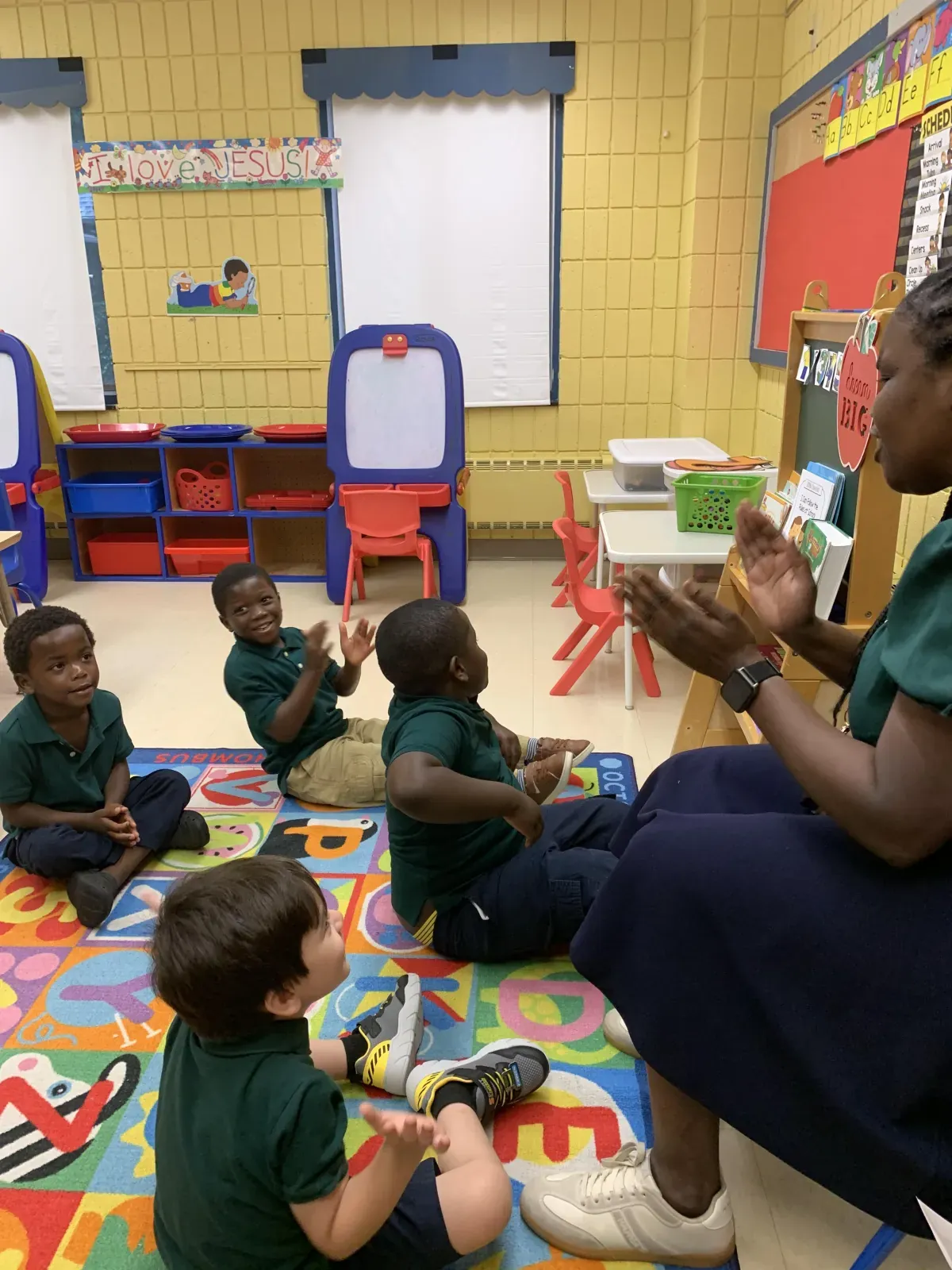
Listening grows through connection, not quizzes. Share stories, sing songs, and leave room for your child to answer in their own words. The CDC’s age-three guide includes back-and-forth conversation, asking questions, and being understood most of the time as examples of developing communication skills. For a child who uses another language at home, keep talking, reading, singing, and telling stories in the language that feels most natural to your family.
4. Playing and learning with others
- Set up short playtimes with one or two other children when possible.
- Practice taking turns with a ball, a puzzle, or a favorite game.
- Put simple words to feelings: happy, sad, frustrated, excited, worried, and proud.
- Model a repair after conflict: “You wanted that truck. Let’s ask for a turn.”
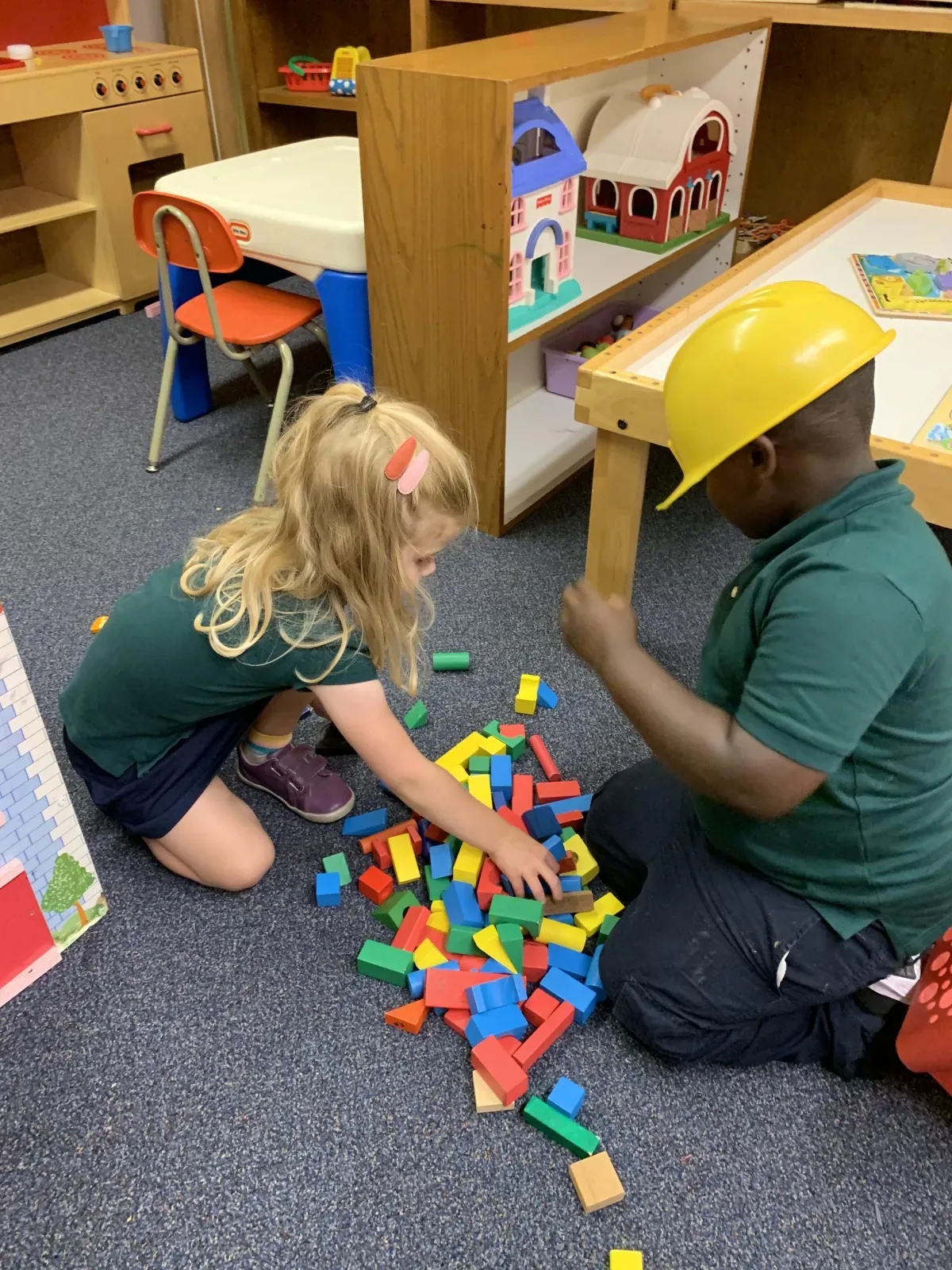
Preschool asks children to share space, ideas, toys, and adult attention. None of that comes naturally every day. The goal is not perfect sharing. It is giving your child words and a familiar script for the moments that feel hard. Our approach to faith, friendship, and hands-on learning gives children repeated opportunities to practice those skills with patient guidance.
5. Early learning through play
- Read, tell stories, rhyme, sing, and make up silly words together.
- Sort socks, match lids, count steps, compare sizes, and notice shapes in everyday life.
- Offer crayons, play dough, blocks, puzzles, water play, and pretend play.
- Let your child be curious. Ask, “What do you think?” before giving the answer.
Early learning is not separate from play. It happens while a child builds a tower, mixes colors, acts out a story, notices patterns, and asks why. The National Association for the Education of Young Children highlights family resources on play, literacy, math, and child development as part of school readiness. Their school-readiness resources are a helpful reminder that learning grows from everyday experiences, not pressure.
Make the first week familiar before it arrives
Once you have a school chosen, details matter. Visit the classroom if you can. Point out the door you will use. Practice carrying the backpack. Read the teacher’s welcome note together. At home, play “preschool” for ten minutes: hang up a bag, say goodbye, sing a song, have a snack, clean up, and reunite. Keep it light. Children learn the rhythm through doing it more than talking about it.
Ask the school what a typical arrival, snack, bathroom, rest, and pickup routine looks like. Share what helps your child settle, any allergies or medical needs, favorite comfort strategies, and the words your child uses for important needs. A good partnership gives teachers the context they need to welcome your child well.
A simple two-week preschool prep plan
You do not need to overhaul summer or turn every afternoon into a lesson. Two weeks is plenty of time to build familiarity through tiny, repeatable moments. In the first week, focus on practical routines. Let your child choose between two weather-appropriate outfits, practice putting their bag by the door, and help prepare a snack. Read one picture book each day, then ask one easy question about the story. Add a short goodbye practice with a trusted grandparent, friend, or caregiver. Keep each practice low-pressure, brief, and easy to repeat tomorrow.
In the second week, make the school day feel more concrete. Drive by the building, visit if the school offers an open house, and look at a photo of the teacher if you have one. Practice the morning schedule at roughly the same time your child will leave for school. Keep the language steady: “First breakfast, then shoes, then school, then I come back.” The night before, lay out clothes and pack together. A calm grown-up and a familiar sequence will do more than a perfect checklist.
What to pack and talk about
Prepare a small, practical first-day kit: a labeled backpack, a full change of clothes, weather-ready outerwear, any required supplies, and a family photo only if the classroom welcomes one. Avoid sending special toys unless the teacher asks. A familiar object can help at home, but an unapproved toy can quickly become a distraction or a worry in a busy classroom.
Talk about school in simple, honest language. Say what you know: “Your teacher will help you,” “There will be other children,” and “I will come back after school.” Avoid making promises you cannot keep, such as “You will not be sad” or “I will stay all day.” You can say, “It is okay to miss me. Your teacher will help you, and I will come back.”
When to ask for more support
A readiness checklist cannot tell you everything about your child. It is appropriate to ask questions when communication, movement, behavior, sensory needs, sleep, feeding, toileting, or separation feels much harder than expected. Start with the people who know your child: their pediatrician, current caregiver, and prospective teacher. In Minnesota, Help Me Grow Minnesota connects families with no-cost screening and evaluation pathways when extra support may be helpful.
Asking early is not labeling your child or lowering expectations. It is one more way to make sure the adults around them have the right information and tools.
At Seeds of Wisdom
A warm start gives children room to grow.
At Seeds of Wisdom, children build readiness through play, daily routines, small-group learning, friendship, and faith. Our teachers get to know children as individuals, then help them practice the skills that make a classroom community work.
For Rochester families, a visit is the best way to see whether the rhythm feels right for your child. Explore the programs for ages 2–5, take a closer look at a day at Seeds, or schedule a private tour when you are ready.
Frequently asked questions
Questions parents often ask before preschool.
What should a child know before preschool?
A child does not need to read, write, count to a certain number, or sit still for long periods before preschool. A helpful starting point is growing comfort with a short separation, simple routines, communicating basic needs, trying new activities, and playing near or with other children. Every child develops on an individual timeline.
How can I prepare my child for preschool at home?
Keep it simple and repeatable: read together, let your child help with small tasks, practice putting on a coat, play turn-taking games, and talk through the next day. A short pretend-school routine is often more useful than extra worksheets because it makes the experience familiar.
What if my child cries at preschool drop-off?
Tears can be a normal response to a new routine. Keep your goodbye warm, brief, and predictable, then trust the teacher to help your child settle. Share what comforts your child with the teacher ahead of time and ask about the school’s drop-off routine. If you have ongoing concerns, talk with the school and your child’s health care provider.
Is potty training required before preschool?
Requirements differ by program. At Seeds of Wisdom, children need to be potty trained. Families can ask about the expected routines, reminders, and change-of-clothes policy before the first day so there are no surprises.